
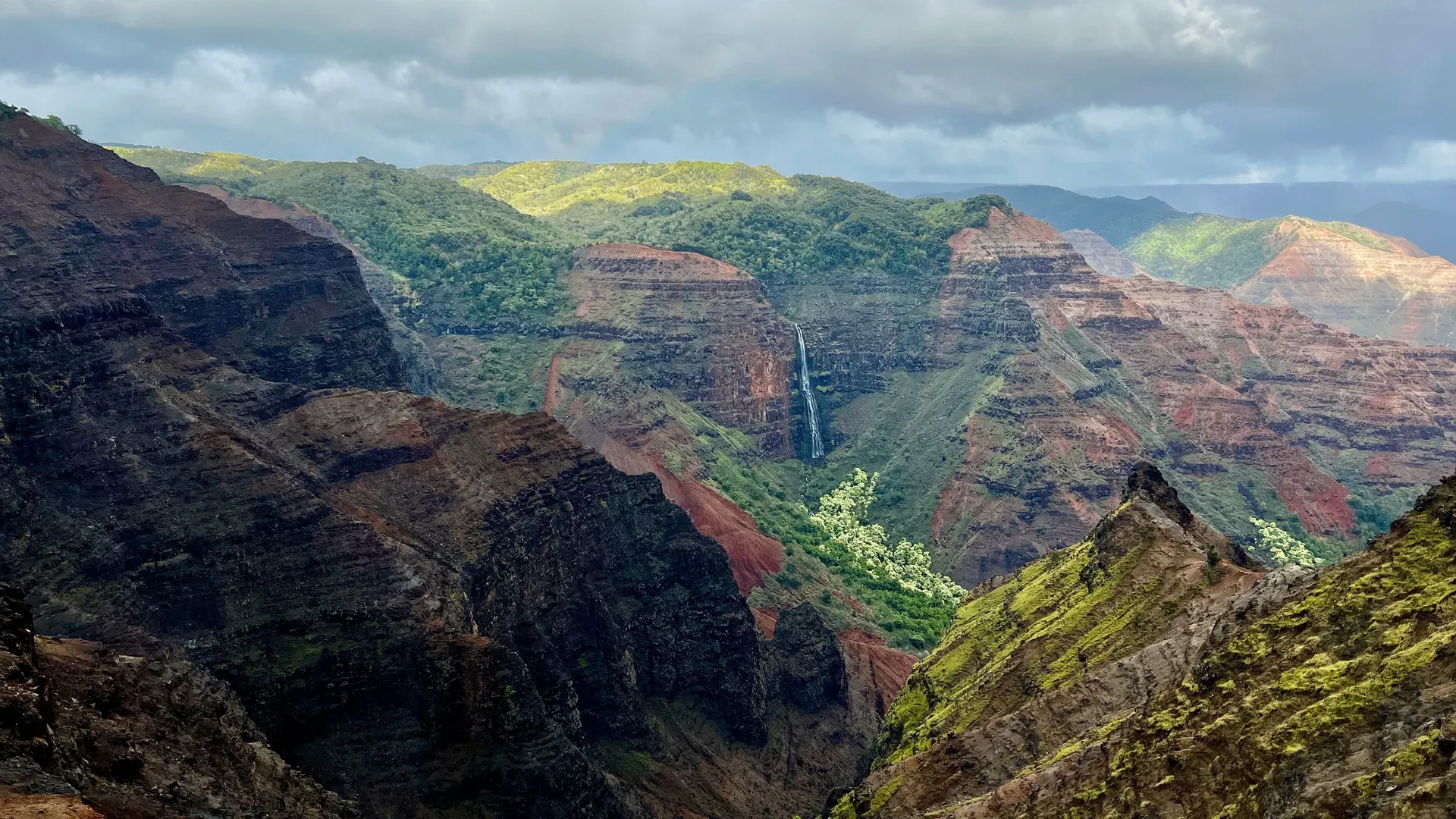
Stretching up to 14 miles across Kauaʻi's western side, Waimea Canyon plunges 3,600 feet down to the Waimea River. The paved drive along Route 550 climbs 4,000 feet in elevation, revealing layered red and green cliffs alongside the 800-foot, two-tiered Waipoʻo Falls.
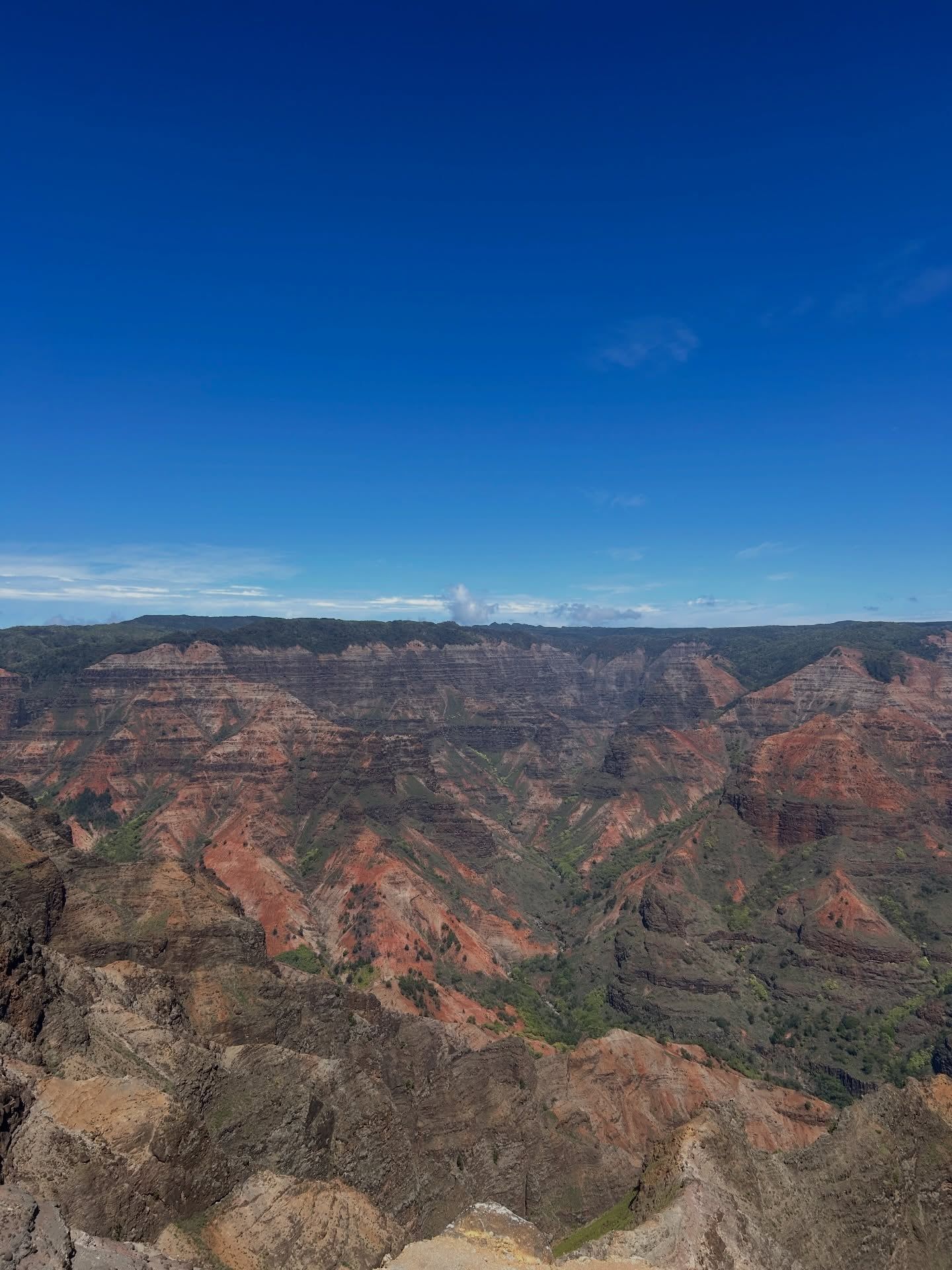
Find Guided ToursWaimea Canyon, frequently referred to as the "Grand Canyon of the Pacific," is a massive gorge on the western side of Kauaʻi. Protected within the 1,866-acre Waimea Canyon State Park, the canyon measures 10 to 14 miles long, up to one mile wide, and reaches depths of more than 3,600 feet. The physical landscape consists of dramatic red and green cliffs, deep valley gorges, and cascading waterfalls like the 800-foot Waipoʻo Falls.
The name "Waimea" translates to "reddish water" in Hawaiian. This refers to the prominent red volcanic soil that erodes and tints the river after heavy rainfall. Beyond its physical scale, the state park and its surrounding high-elevation ecosystems protect rare native bird species and fragile plant life that survive only in this specific environment.
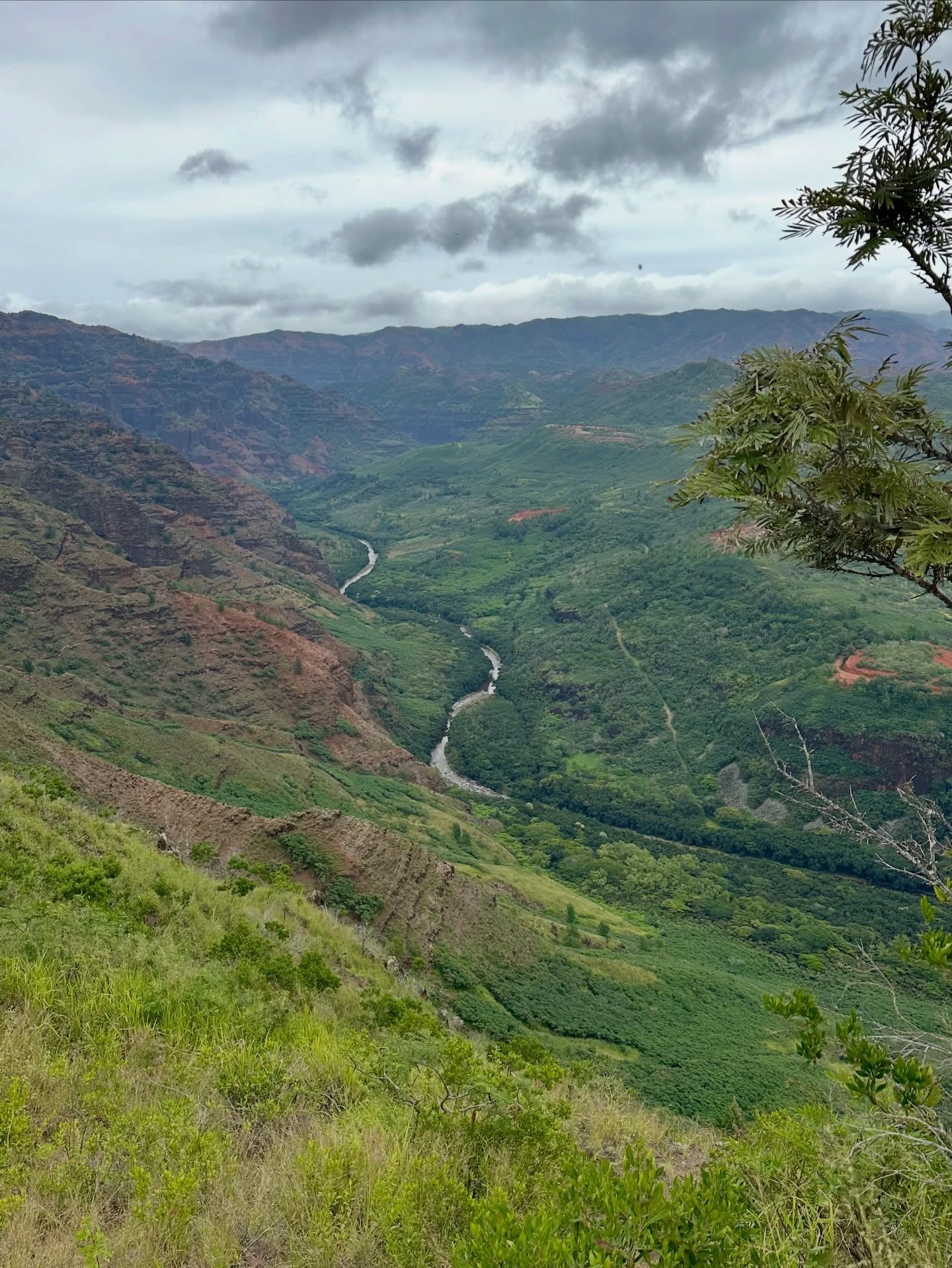
The canyon's unique geography is the result of a catastrophic volcanic collapse combined with steady river erosion. Extreme rainfall on Mount Waiʻaleʻale, one of the wettest places on earth, feeds the Waimea River. Over time, this water has cut deeply into the island's basalt fields and layered volcanic rock, creating the sheer cliffs visible today.
Native Hawaiians historically utilized the canyon and its surrounding lands. In more recent decades, the uplands of Waimea and adjacent Kōkeʻe became leased for recreational residences, with current leases set to expire in 2031. The state continues to manage the area actively, scheduling major infrastructure improvements such as extensive road resurfacing on Waimea Canyon Drive in mid-2026 and safety upgrades that will close the main lookout from July 14, 2025, to January 9, 2026.
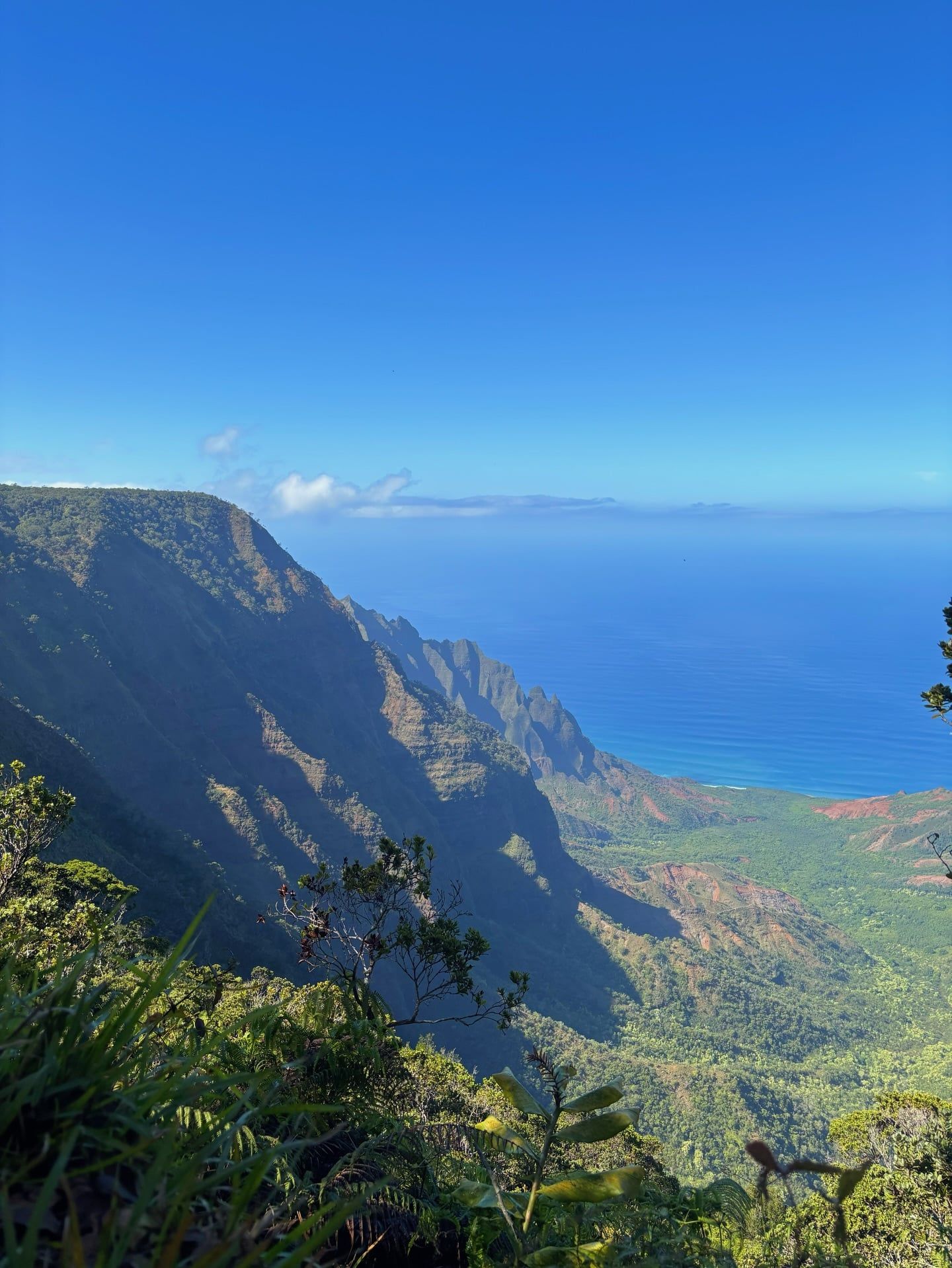
Discover the full history and cultural significance on our About page.
The 26-mile round-trip drive climbs 4,000 feet from the coast up to the canyon rim. This fully paved road winds through numerous switchbacks and lush vegetation. You can pull over at unmarked roadside stops to photograph the massive 10-to-14-mile-long gorge and its layered red and green cliffs.
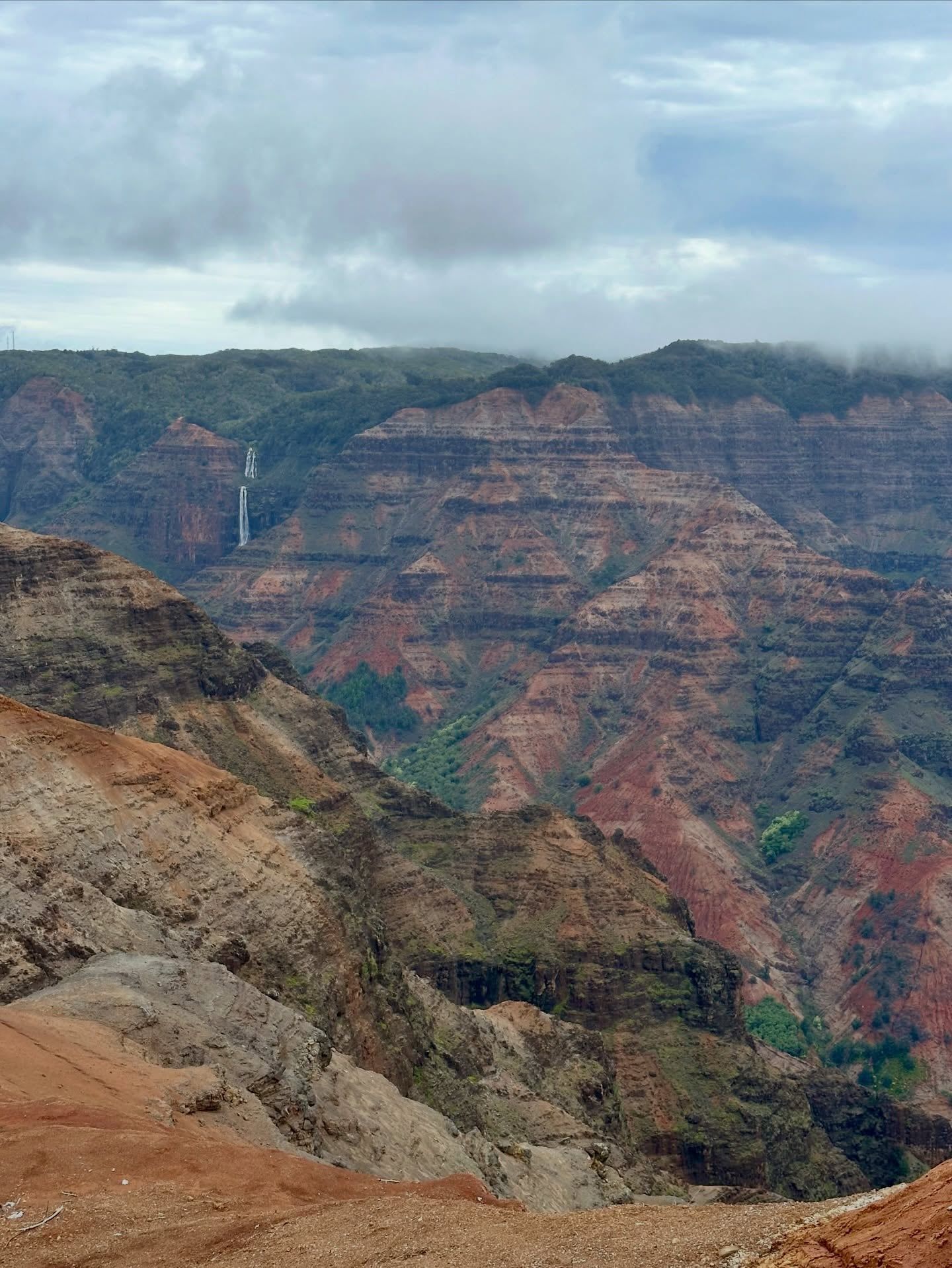
Stop at the main Waimea Canyon Lookout at mile marker 10 for a panoramic view of the upper gorge. From this paved, wheelchair-accessible platform, you can look across the valley to see the 800-foot, two-tiered Waipoʻo Falls cascading down the dramatic red volcanic rock.
Take a moderate hike through native forests directly to the top of Waipoʻo Falls. The round-trip trek takes two to three hours and provides expansive views of the 3,600-foot-deep canyon. Wear closed-toe shoes you do not mind ruining, as the prominent red volcanic soil permanently stains footwear.
Located at mile marker 13.5, the Puʻu Hinahina Lookout sits at an elevation of 3,640 feet. This vantage point offers a unique cross-section view of the canyon's layered walls. A second viewing platform frames the private island of Niʻihau, located seventeen miles offshore in the Pacific Ocean.
Hand-picked tours with free cancellation and verified reviews
 Free Cancellation 4h
  Free Cancellation 10h
  Free Cancellation 10h
  Free Cancellation
  Free Cancellation
  Free Cancellation 6h 30min
  Free Cancellation 5h
  7h
7h The drier months from April to October are the most reliable time to visit Waimea Canyon. This window provides the clearest views of the 3,600-foot-deep gorge and safer, dry hiking trails.
March remains wet and challenging, but April and May transition into the recommended drier season. Visitors will find increasingly clear skies and improving trail conditions as rainfall decreases.
These dry months provide the most reliable sunny skies and clear visibility at the lookouts. Hiking trails remain dry, preventing the prominent red dirt from turning into dangerous clay.
September and October maintain excellent dry weather for sightseeing. November introduces the wetter winter pattern, increasing the likelihood of heavy rainfall and thick fog settling over the canyon rim.
Heavy rainfall and temperatures dropping 10 to 20 degrees cooler than sea level dominate this season. Thick clouds erase visibility, while storms create muddy trails and flash flooding risks.
The park and its overlooks are open daily from dawn to dusk, while the main park road remains accessible 24 hours a day. The Waimea Canyon Lookout will be closed from July 14, 2025, to January 9, 2026, for safety upgrades. For food and amenities, the Kōkeʻe Lodge restaurant operates Monday through Friday from 10:00 a.m. to 4:30 p.m. and weekends from 9:30 a.m. to 4:30 p.m.
| Category | Price |
|---|---|
| Hawaii Residents (with valid state ID) | Free |
| Non-residents | $5.00 per person |
| Children (ages 3 and under) | Free |
| Non-resident Parking (standard non-commercial vehicle) | $10.00 |
| Commercial PUC Vehicle Parking (1-7 passengers) | $25.00 |
| Commercial PUC Vehicle Parking (8-25 passengers) | $50.00 |
| Commercial PUC Vehicle Parking (26 or more passengers) | $90.00 |
No advance reservations or permits are required for general sightseeing. Entry and parking fees are paid directly at self-service kiosks located in the main parking lots. A single payment covers both Waimea Canyon State Park and the adjacent Kōkeʻe State Park for the entire day. Keep your parking receipt clearly visible on your vehicle's dashboard as you move between lots.
For complete schedules and ticket prices, visit our Hours & Fees page.
Reaching Waimea Canyon requires driving west from Līhuʻe and turning up the mountain from Waimea town. The route follows a fully paved road that climbs steeply into the high-elevation state park.
📍 Waimea Canyon Drive (Route 550), Waimea, Kauaʻi, HI
Renting a car is the standard method for reaching the canyon from Līhuʻe Airport, located 35 to 40 miles away. Visitors travel west along the highway, turning onto Waimea Canyon Drive (Route 550) from Waimea town. The fully paved road is steep. It climbs 4,000 feet in elevation over an 11-to-18-mile stretch of switchbacks. Drivers must fill their gas tanks before ascending.
For detailed transport options and routes, visit our Directions page.
There are no gas stations along the 26-mile round-trip drive or inside the state parks. Fill your tank in Waimea town before starting the ascent. Running out of fuel on the steep road climbing 4,000 feet in elevation is an expensive mistake.
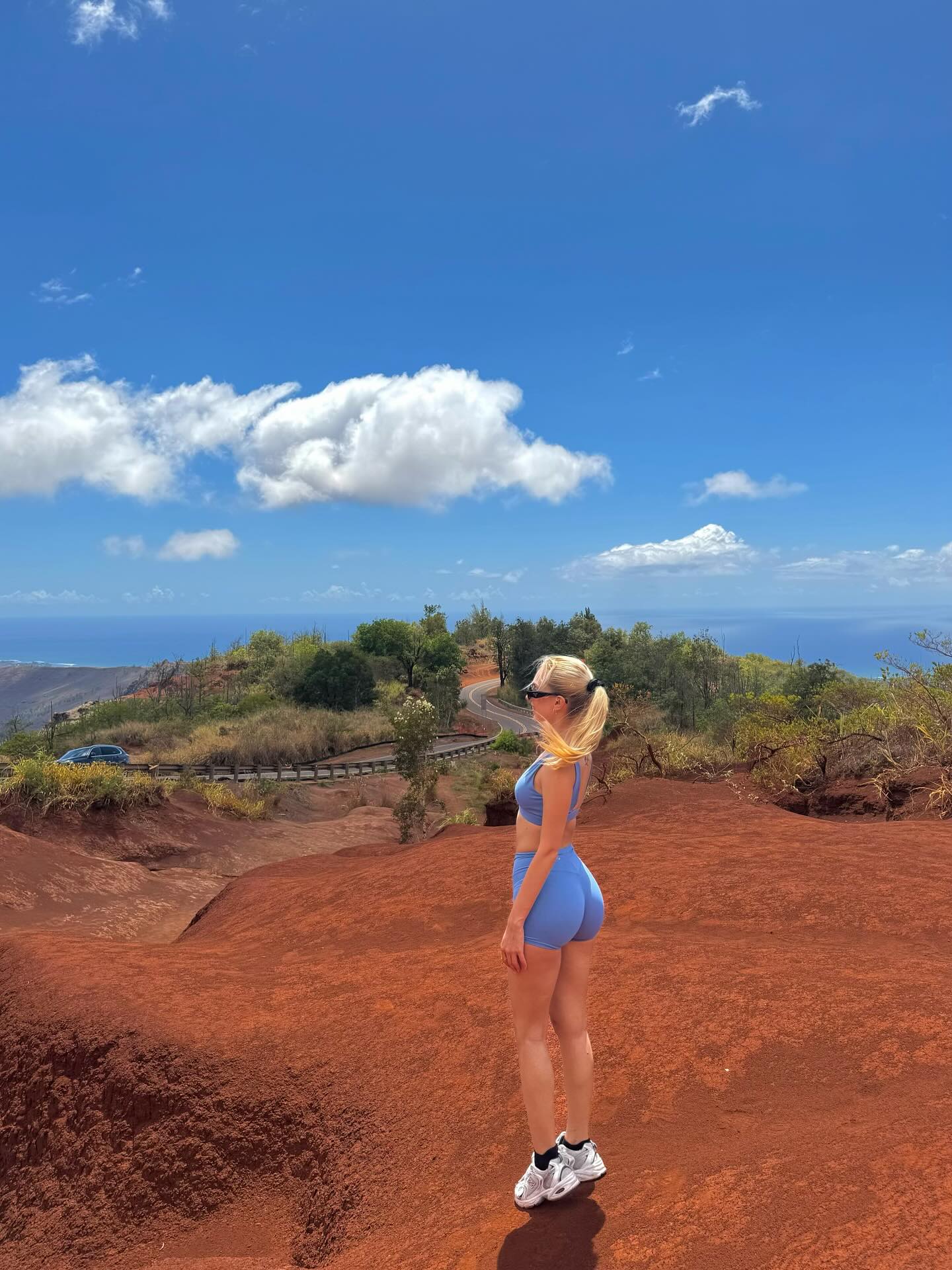
Temperatures at the rim drop 10 to 20 degrees Fahrenheit lower than at sea level. Pack a light jacket to handle the cooler climate. Additionally, wear closed-toe shoes and socks that you do not mind ruining. The park's prominent red volcanic soil will permanently stain your footwear.
Cell service is extremely spotty or entirely non-existent throughout the canyon and its high-elevation trails. Download offline maps via apps like AllTrails or Google Maps before leaving the coast. Having reliable offline navigation is critical for staying on track while hiking.
Non-residents must pay a $10.00 parking fee per standard vehicle alongside a $5.00 individual entry fee. Keep your printed receipt visible on your dashboard throughout the day. This single payment covers parking at all viewpoints across both Waimea Canyon and Kōkeʻe State Parks.
Plan to arrive at the major lookouts before 8:00 a.m. to secure limited parking. Early mornings offer the cleanest light on the east-facing cliffs and the highest overall visibility. By midday, trade winds frequently push thick fog across the rim, completely obscuring the canyon views.
A devastating fungal disease currently threatens native Hawaiian forests. You must clean all soil off your shoes using a brush and spray them with 70 percent rubbing alcohol before entering and after leaving the trails. Under local laws, transporting ʻōhiʻa wood off Kauai is strictly prohibited.
Sitting 1,400 feet higher than Waimea Canyon, this adjacent park provides cooler temperatures and lush fern forests. It features a network of hiking trails, a campground, and spectacular views of the Kalalau Valley.
This free museum provides an excellent overview of the canyon's geological formation, native plants, and endemic bird species. It serves as a highly educational ten-minute stop with a small gift shop.
Located at sea level, this expansive beach features public restrooms, picnic areas, and active lifeguard surveillance. It provides a great place to relax and enjoy coastal views after hiking the canyon.
Read what travelers share about their experience visiting Waimea Canyon — from practical tips to personal highlights.
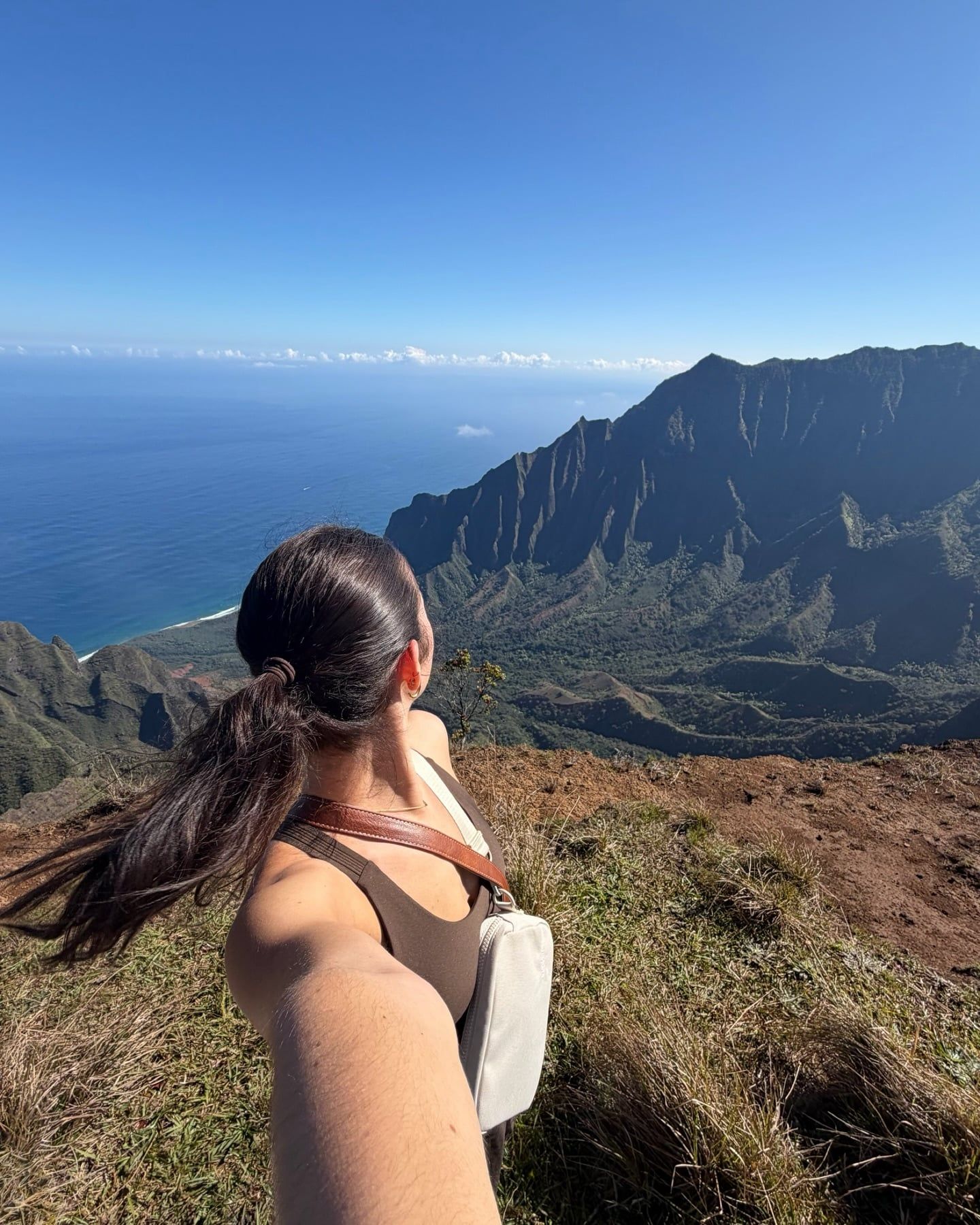
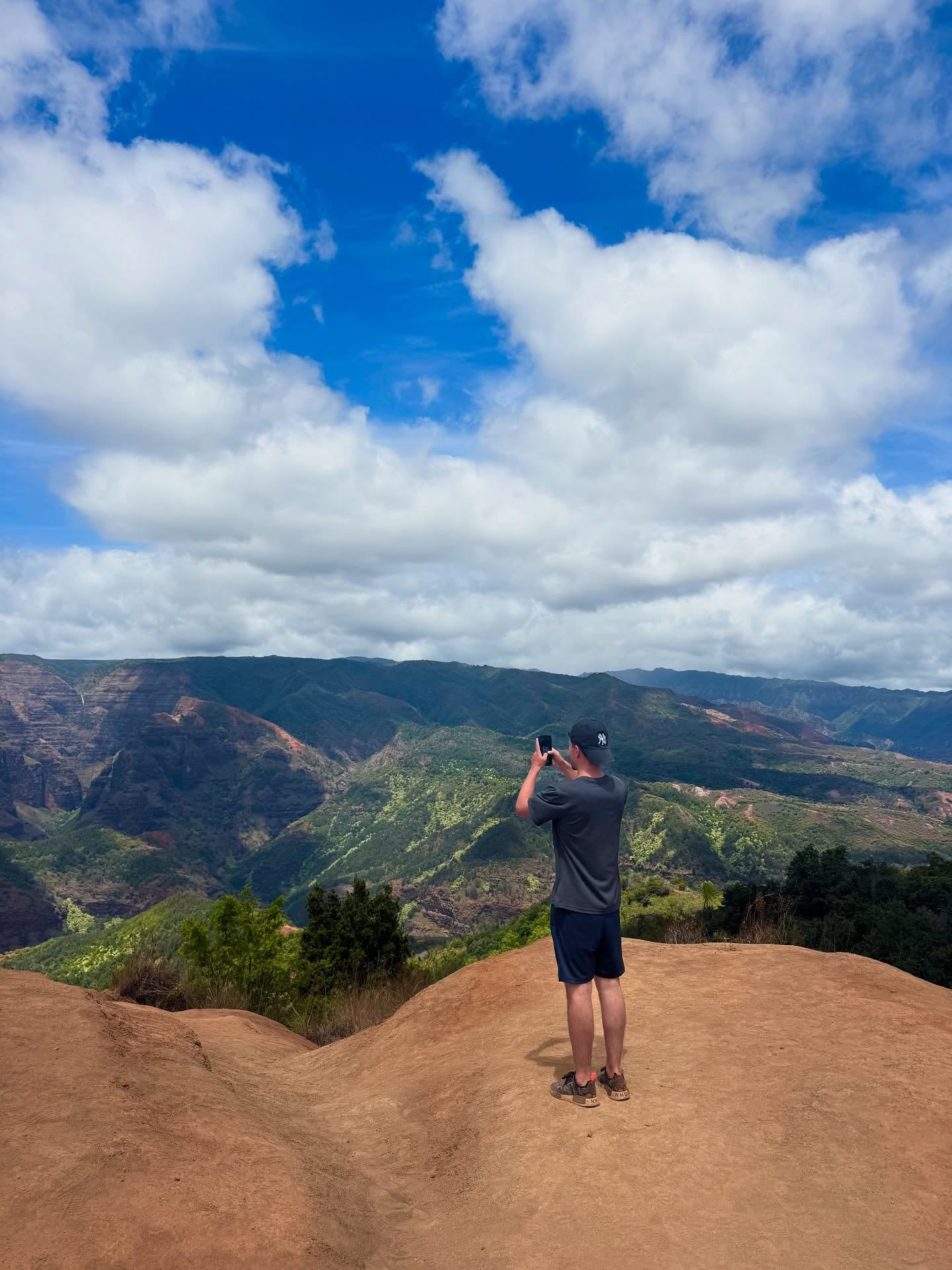
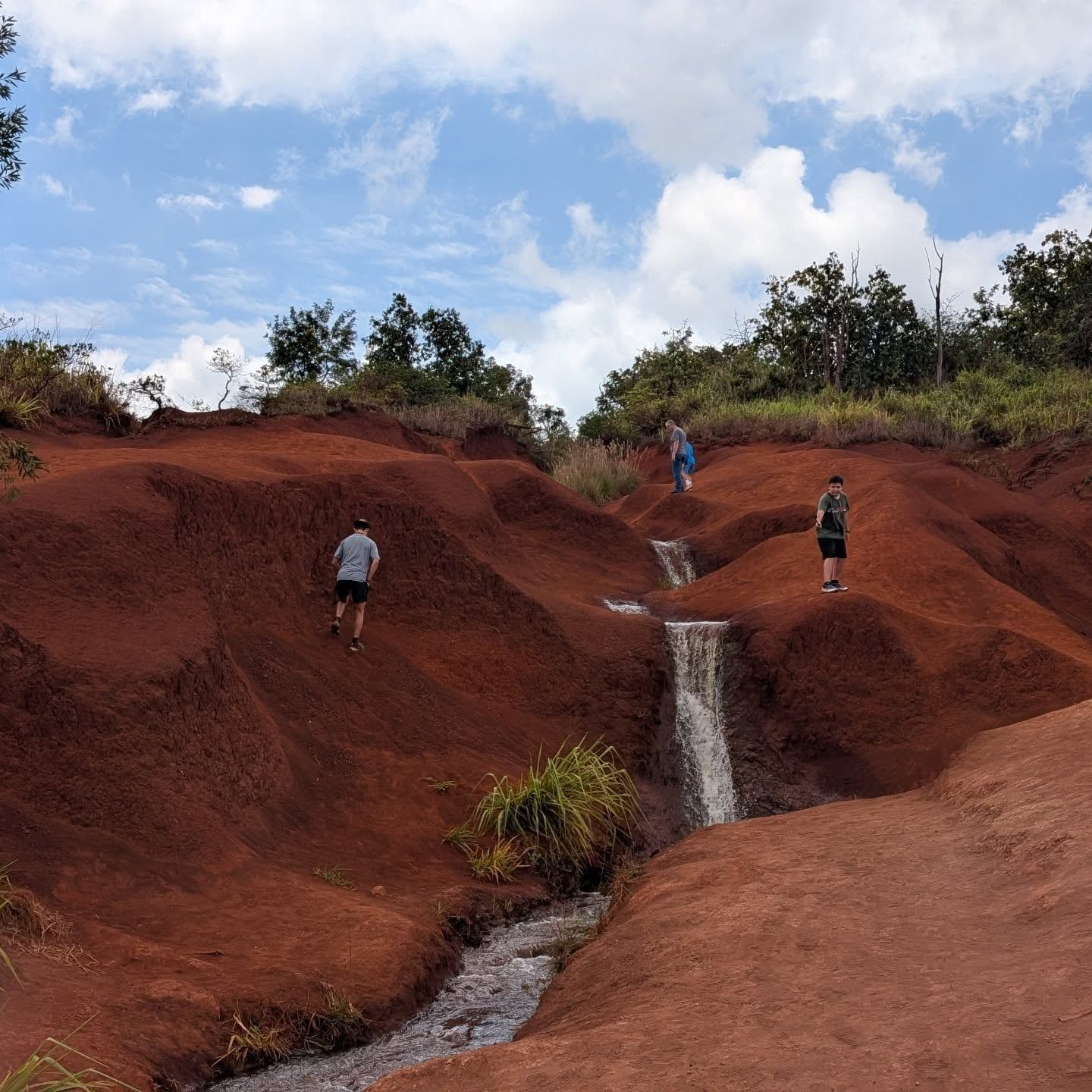
Advance reservations are not required for general sightseeing. Non-Hawaii residents must pay a $5.00 entry fee per person and a $10.00 parking fee per standard vehicle at the self-service kiosks. This single payment covers parking and entry for both Waimea Canyon and Kōkeʻe State Parks for the entire day.
Arrive early in the morning, ideally before 10:00 a.m., to secure parking and get the clearest views before trade winds push thick fog across the rim. A basic driving itinerary takes about 1.5 to 2 hours. Adding hikes or exploring adjacent Kōkeʻe State Park will extend your trip to 4 to 8 hours.
The canyon is approximately 35 to 40 miles west of Līhuʻe Airport, which takes about an hour to drive. You will take the highway west and turn onto Waimea Canyon Drive (Route 550) in Waimea town. Fill your gas tank in Waimea before starting the ascent, as there are no gas stations along the 26-mile round-trip route.
Pack warm layers because temperatures at the 4,000-foot elevation rim can drop 10 to 20 degrees Fahrenheit lower than at sea level. Wear closed-toe shoes with good traction and older socks, as the prominent red volcanic soil permanently stains clothing. You should also download offline maps before driving up, as cell service is extremely spotty.
The scenic drive and the paved viewing platform at the main Waimea Canyon Lookout are fully wheelchair accessible. Accessible parking spaces and ADA restrooms are available at major stops like the Puʻu Ka Pele picnic area. However, the unpaved hiking trails feature steep grades and uneven terrain, making them unsuitable for wheelchairs and strollers.
The Iliau Nature Loop is the most manageable option for families with children or visitors with mild mobility concerns. This flat, 0.3-mile trail features educational signs about native plants and provides sweeping canyon views with minimal physical exertion. Keep children away from lookout edges, as many areas feature steep drop-offs up to 3,600 feet without guardrails.
The only dining option within the parks is Kōkeʻe Lodge, located near the top of the park road. The restaurant serves breakfast and lunch from 10:00 a.m. to 4:30 p.m. on weekdays, and opens at 9:30 a.m. on weekends. If you plan to stay past these hours, you must bring your own extra water and snacks.
No, drones are strictly prohibited everywhere inside Waimea Canyon and all other Hawaii State Parks. For optimal landscape photography, visit between 7:00 a.m. and 10:00 a.m. to capture the cleanest light on the east-facing cliffs.
Browse verified tours with free cancellation and instant confirmation.
Find Tours